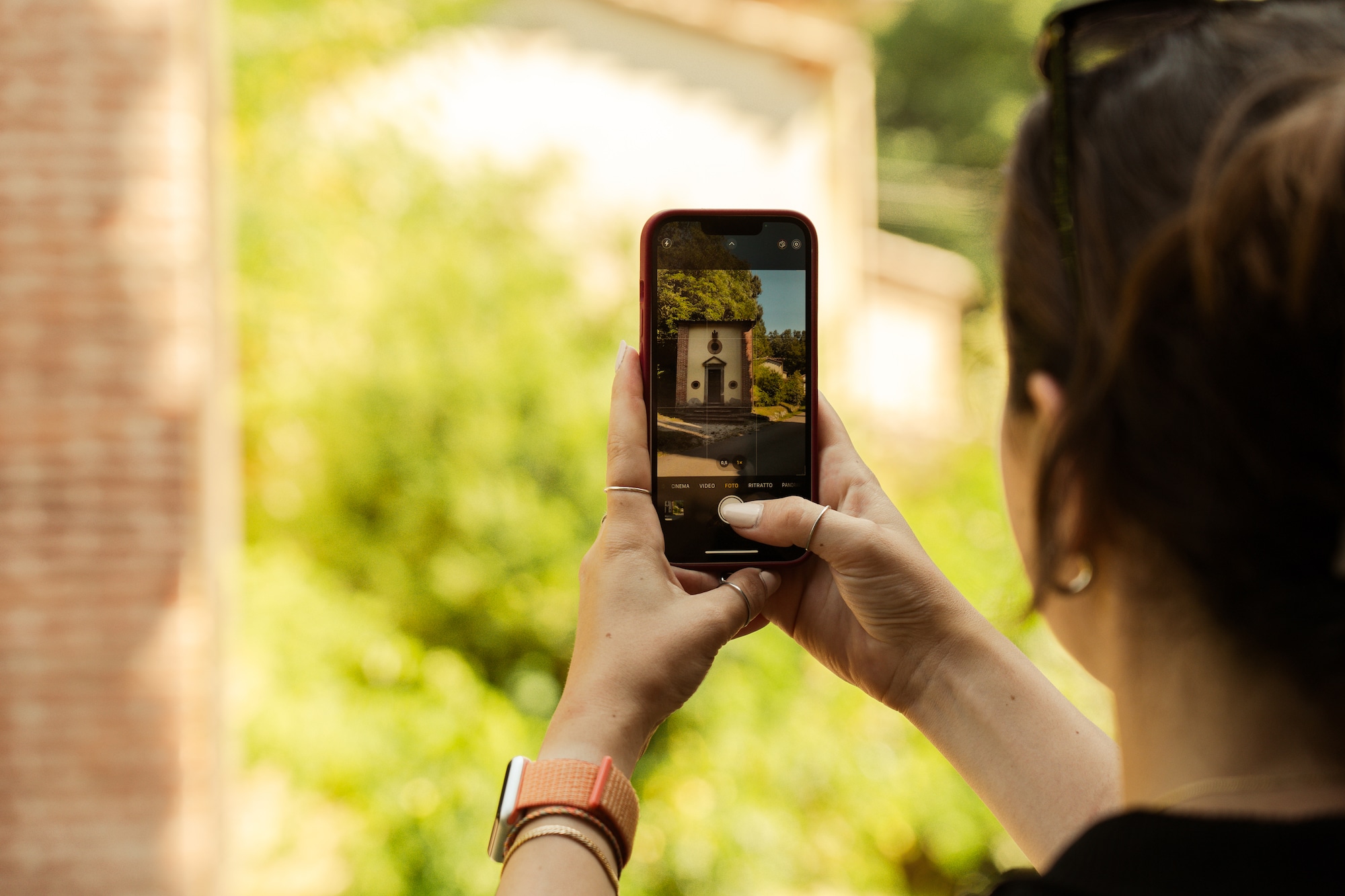
The concept of a widespread museum refers to a museum that is not confined to a single building but extends over a larger area, involving urban spaces, landscapes, and historical and cultural sites. A widespread museum is not just a collection of works displayed in a closed structure but an experience that allows visitors to explore cultural heritage in its original context.
What is meant by a widespread museum?
The idea stems from the need to enhance the territory itself as an integral part of the museum narrative. It is a new approach that transforms entire villages, towns or rural areas into paths of artistic and historical discovery, encouraging greater immersion and interaction with the environment. The fundamental elements of a widespread museum are:
- a territory that is significant from a historical, artistic or natural point of view.
- a museum itinerary that may include monuments, archaeological sites, landscapes and places of cultural interest.
- a dynamic experience that involves visitors in the discovery of local history and traditions.
What types of museums are there?
In addition to traditional museums, which have a physical location and house collections of artworks, archaeological finds or objects of historical interest, there are various other types of museum, each with its own specific characteristics:
- Ecomuseums: these collect and promote the natural and cultural heritage of a geographical area, linking landscapes, traditions and local communities.
- Open-air museums: these include archaeological sites, monuments and outdoor exhibition spaces that tell a story through their own context.
- Interactive and multimedia museums: these offer immersive experiences through the use of digital technologies and augmented reality.
- Virtual museums: accessible online, these allow you to explore collections and content without geographical limitations.
What does ecomuseum mean?
It could be easy to confuse a widespread museum with an ecomuseum, because the two concepts are actually quite similar. However, the term ecomuseum refers to a particular type of widespread museum that emphasises the link between cultural heritage and the local area. The idea originated in the 1970s with the aim of moving beyond the concept of the traditional museum, involving local communities in the preservation and promotion of their historical and environmental identity. The aim of an ecomuseum is to:
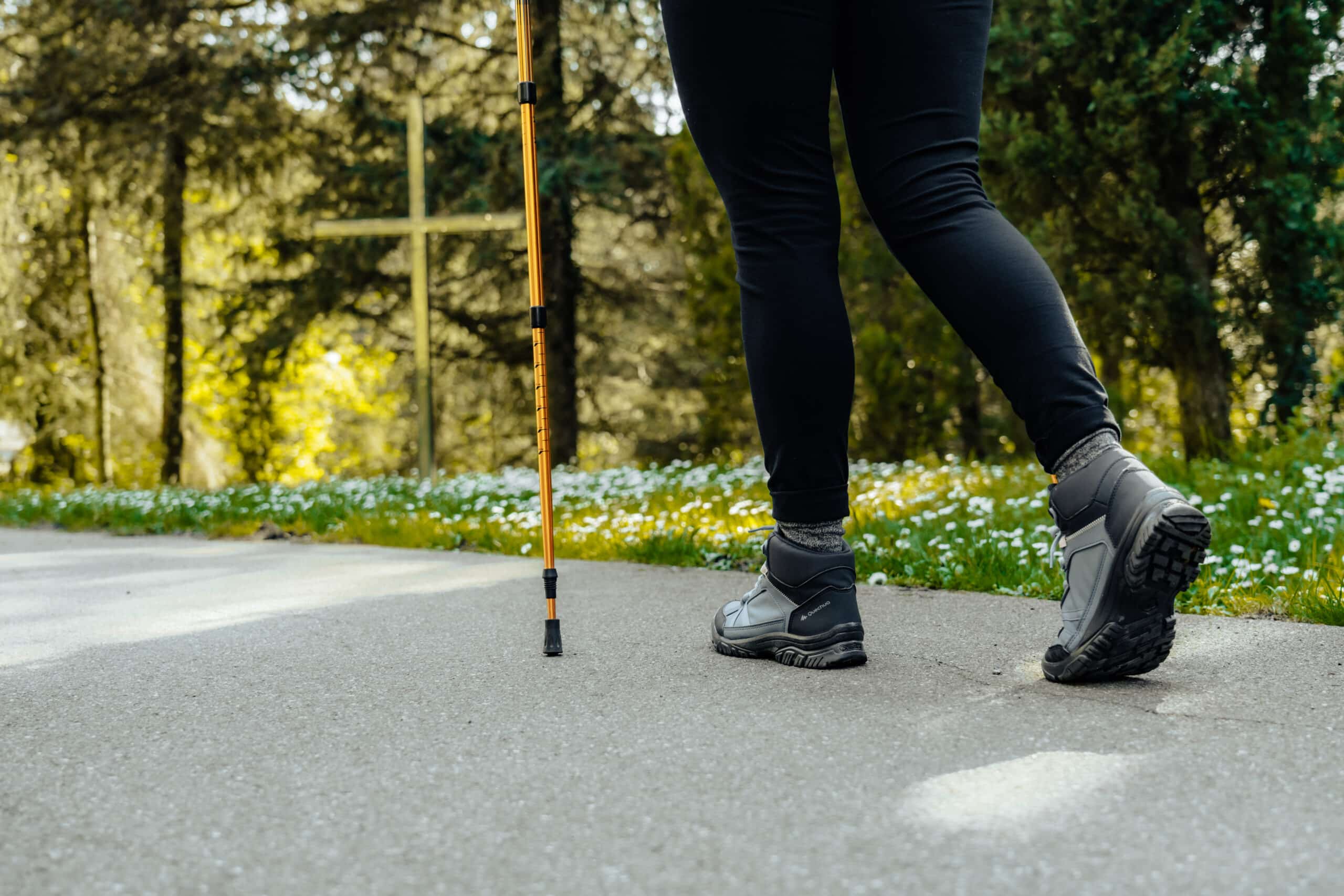
- promote local traditions, historical memory and the natural environment.
- involve the community, which becomes an active part in the management and narration of the museum.
- territorial distribution, with points of interest spread throughout the territory rather than concentrated in a single building.
Ecomuseums promote sustainable and responsible tourism, allowing visitors to explore landscapes, villages, ancient crafts and traditional cultural practices.
Three examples of open-air museums and eco-museums to visit
Here are three open-air museums in Italy that offer unique experiences of immersion in culture and history:
- The Open-Air Museum of the Resistance (Turin)
Located in the centre of Turin, this museum tells the story of the Italian Resistance through urban installations, guided tours and historical testimonies. An example of how the city itself can be transformed into a museum experience. - The Ecomuseum of the Waters of Gemonese (Friuli Venezia Giulia)
An ecomuseum that highlights the relationship between humans and water through themed trails, historic mills and protected natural areas. - The Chianti Sculpture Park (Tuscany)
An open-air museum that combines contemporary art and landscape, with installations by international artists immersed in the green Tuscan hills.
What kind of museum is the Jerusalem of San Vivaldo?
The Jerusalem of San Vivaldo is a fascinating example of a scattered religious museum. Located in Tuscany, in the municipality of Montaione, it is a complex of chapels and sacred buildings constructed between the 15th and 16th centuries to reproduce the sites of Christ’s Passion in Jerusalem. It can be considered a form of scattered museum for several reasons:
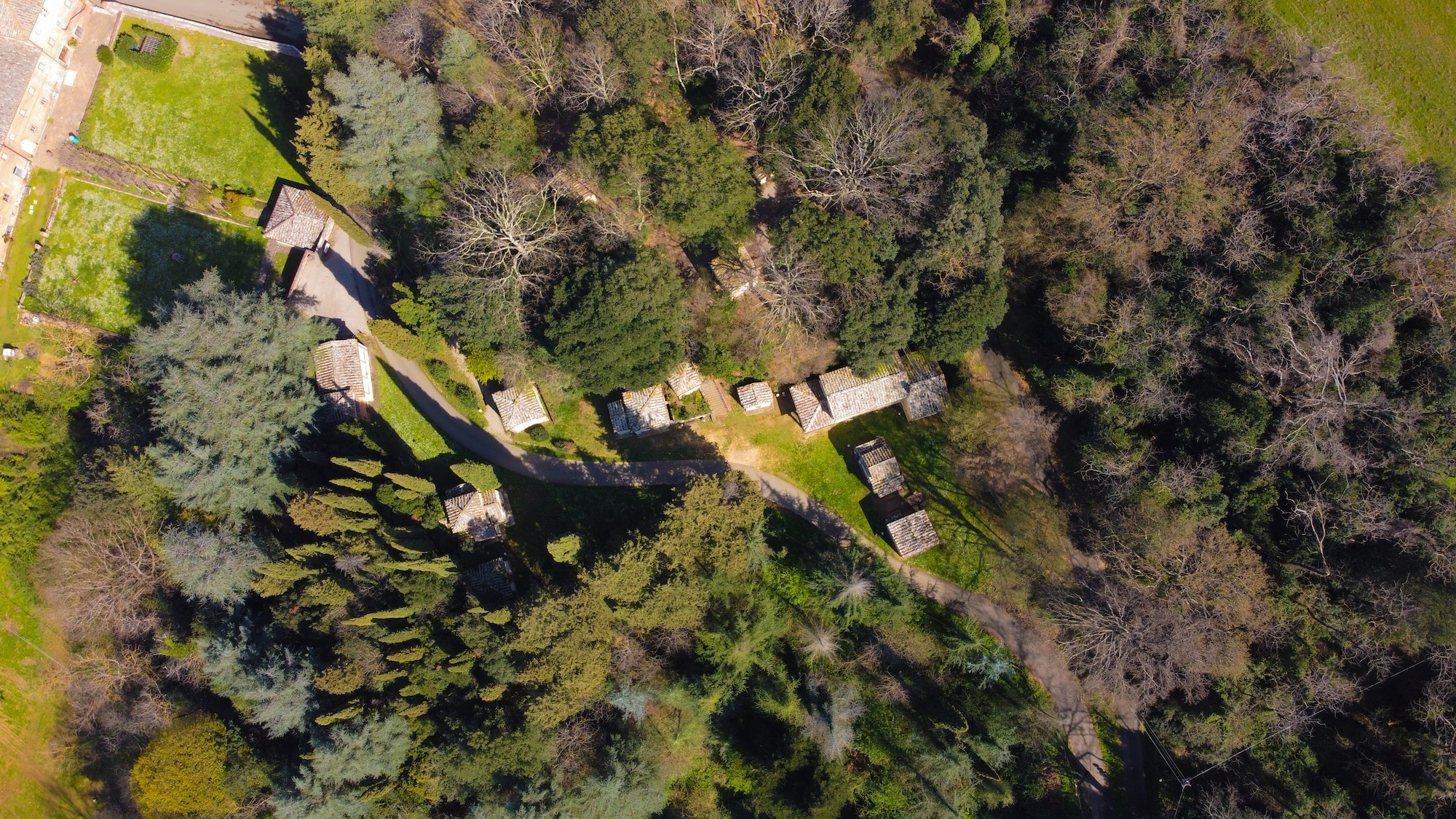
- it offers an immersive experience: visitors follow a symbolic itinerary that retraces the steps of the Via Dolorosa, immersing themselves in a journey of faith and art.
- it houses Renaissance sculptures and frescoes: the chapels contain works of art that evoke the salient moments of the Passion.
- it is located in a unique historical and landscape setting: it is immersed in the nature of the Selva di Camporena, a rich forest that makes the visit a truly spiritual experience in contact with the territory.
The Jerusalem of San Vivaldo is an ideal place if you are looking for an experience of faith, art and nature, confirming the role of the museum not only as an exhibition space but also as a cultural and spiritual journey.